
You notice redness around your cuticle. One nail suddenly looks greenish. Or maybe a finger feels sore a few days after your manicure.
Your first thought might be: Is my nail infected?
Nail infections can develop when bacteria, fungi, or other microorganisms affect the nail or surrounding skin. Sometimes the warning signs are obvious, like swelling, tenderness, or pus. Other times, the first clue is a change in nail color, thickness, or how securely the nail is attached.
But not every unusual-looking nail is infected. Knowing what to look for can help you recognize when a nail change needs more than your usual manicure or nail-care routine.
Redness, swelling, warmth, pain, or pus around a nail can signal an infection. Greenish discoloration, nail lifting, or persistent thickening may also need medical evaluation.
These changes do not always mean an infection is present, but they are worth paying attention to. If symptoms are worsening or you are unsure what is causing them, consult a board-certified dermatologist.
How Do Nail Infections Start?
To understand how an infection starts, it helps to understand one small but important part of nail anatomy: the cuticle.
The cuticle forms a protective seal between the nail plate and the surrounding skin. This barrier helps keep microorganisms from entering the area where the nail grows.
When that seal is disrupted, bacteria and other microorganisms may have an opportunity to enter the surrounding tissue.
Some everyday habits can contribute to that disruption:
- Cutting or aggressively pushing back cuticles: This can damage the protective seal around the nail.
- Picking or biting nails and hangnails: Small breaks in the skin can create an entry point for germs.
- Frequent water exposure: Repeated wet work can irritate the nail folds and contribute to problems around the cuticle.
- Aggressive manicures: Excessive filing, scraping, or other trauma can damage the nail and surrounding skin.
- Nail lifting: When the nail plate separates from the nail bed, moisture can collect underneath and create conditions that favor microbial growth.
That does not mean every hangnail or damaged manicure will cause an infection. It simply means protecting the nail and its surrounding skin is an important part of healthy nail care.
Signs of a Nail Infection: What Should You Look For?
Early nail infection symptoms can be easy to dismiss, especially when they appear after a manicure or a minor injury.
Here are some changes that deserve attention:
- Redness: The skin around the nail becomes noticeably red or inflamed.
- Swelling: The nail fold or surrounding fingertip looks puffy.
- Pain or tenderness: The area hurts when touched or feels increasingly uncomfortable.
- Warmth: The skin around the affected nail feels warmer than usual.
- Pus or drainage: Fluid collects or drains from the skin around the nail.
- Unusual discoloration: The nail develops a green, yellow, or other unexpected color change.
- Changes in the nail plate: The nail thickens, crumbles, or begins separating from the nail bed.
Some of these signs overlap with injuries, inflammatory nail conditions, and other noninfectious problems. Appearance alone is not always enough to tell what is happening.
The most important thing is to notice changes that are new, persistent, painful, or getting worse.
Three Nail Problems You Should Know About
Not all nail infections look or behave the same way. Understanding a few common conditions can help you describe your symptoms more clearly when seeking medical care.
1. Paronychia: An Infection Around the Nail
Paronychia is an infection involving the skin around a fingernail or toenail.
Acute paronychia often develops after the skin around a nail has been injured, such as through biting, picking, pulling a hangnail, or aggressive cuticle trimming.
Common signs include redness, swelling, tenderness, and sometimes a collection of pus near the nail fold.
Problems around the nail folds can also become persistent. Chronic paronychia often involves ongoing inflammation and damage to the nail-fold barrier, particularly in people whose hands are frequently exposed to water or irritants.
Because different causes require different approaches, recurring or persistent inflammation should be evaluated rather than repeatedly covered with nail products.
2. Green Nail Syndrome: Why Is My Nail Turning Green?
A greenish nail can be surprising, especially when the discoloration appears after wearing gel polish or artificial nails.
One possible explanation is green nail syndrome, which is commonly associated with a bacterium called Pseudomonas aeruginosa.
This organism can grow in moist environments. It is often associated with a nail that has partially lifted away from the nail bed, allowing moisture to collect underneath.
The discoloration can range from green to greenish-black.
Importantly, a green nail does not automatically mean you have a fungal infection. Bacterial involvement is one possibility, and other causes of discoloration may need to be ruled out.
If you notice an unexplained green area, especially beneath an enhancement or a lifting nail, have it checked rather than simply covering it with another manicure.
3. Fungal Nail Infections: More Than Just Discoloration
Fungal nail infections, also called onychomycosis, can affect fingernails but are more common in toenails.
They may cause a nail to become thicker, brittle, crumbly, discolored, or separated from the nail bed.
However, similar changes can happen for reasons unrelated to fungus, including nail trauma and certain skin conditions.
A dermatologist may examine the nail or collect a sample before recommending treatment. That is especially important when the nail has changed gradually and the cause is not clear.
Can You Get a Nail Infection From a Nail Salon?
A manicure or pedicure should be a relaxing experience, but salon hygiene and technique matter.
Shared tools, improperly maintained footbaths, and overly aggressive cuticle work can create avoidable risks.
The good news is that there are practical ways to make more informed choices when booking your next appointment.
What to Look For
- A clean, appropriately licensed salon
- Reusable tools properly processed between clients
- Single-use items used only once
- Pedicure basins and filters properly disinfected
- Gentle manicure techniques that respect the cuticle
- A nail technician who takes concerns seriously
What to Avoid
- Cuticle cutting or overly aggressive trimming
- Tools that appear unclean or are reused improperly
- Excessive scraping or filing that causes discomfort
- Continuing a manicure on painful or visibly inflamed skin
- Covering an unexplained nail change with an enhancement
- Staying silent when a procedure hurts
It is completely reasonable to ask a salon how its instruments and pedicure stations are cleaned between clients.
The CDC's nail hygiene guidance also emphasizes keeping nails clean, avoiding nail biting, and protecting the cuticles rather than cutting them away.

What About Fish Pedicures?
Fish pedicures are another salon treatment worth thinking twice about.
Unlike traditional manicure tools, the fish used in these treatments cannot be disinfected between customers. The CDC also notes that fish pedicure tubs present cleaning challenges and that some states have banned the practice.
For that reason, skipping fish pedicures is a sensible choice, particularly if you have cuts, irritated skin, or an existing nail concern.
What Should You Do if You Think Your Nail Is Infected?
If something looks or feels wrong, resist the temptation to cover it up or immediately try several treatments at home.
Instead, focus on protecting the area and getting the right diagnosis.
1. Give the Nail a Break From Manicures
Pause new polish applications, gel manicures, acrylics, or other enhancements while an unexplained nail change is being evaluated.
These products may make it harder to observe what is happening underneath.
If an existing enhancement needs to be removed, avoid forcefully pulling or prying it off, especially if the nail is painful or separating.
2. Keep the Area Clean and Avoid Further Trauma
Wash your hands gently and dry the nail area thoroughly. Avoid picking, digging underneath the nail, or attempting to squeeze or drain a swollen area yourself.
If the surrounding skin is broken or inflamed, avoid unnecessary cosmetic manipulation until you have received appropriate guidance.
3. Know When to Seek Medical Care
Some nail conditions require prescription treatment or a procedure performed by a healthcare professional. The appropriate approach depends on the cause.
Seek medical advice if you notice pus, worsening pain, persistent swelling, new nail lifting, or an unexplained color change.
Arrange a medical evaluation for a nail that is persistently painful, swollen, lifting, or changing color without an obvious explanation.
Seek urgent medical attention if redness is spreading rapidly, you develop a fever, or red streaks appear on the surrounding skin.
If you have diabetes, a weakened immune system, or another condition that increases infection risk, seek professional guidance promptly when you suspect an infection.
How to Care for Your Cuticles Between Manicures
Once your nails and surrounding skin are healthy and free from suspected infection, a gentle, consistent routine can help you avoid unnecessary cuticle damage.
Keep nails clean, avoid biting or picking, and use gloves when working with water or cleaning products for prolonged periods.
It is also worth remembering that you do not need to remove the cuticle to have a neat-looking manicure. Preserving this protective area is part of caring for your nails.

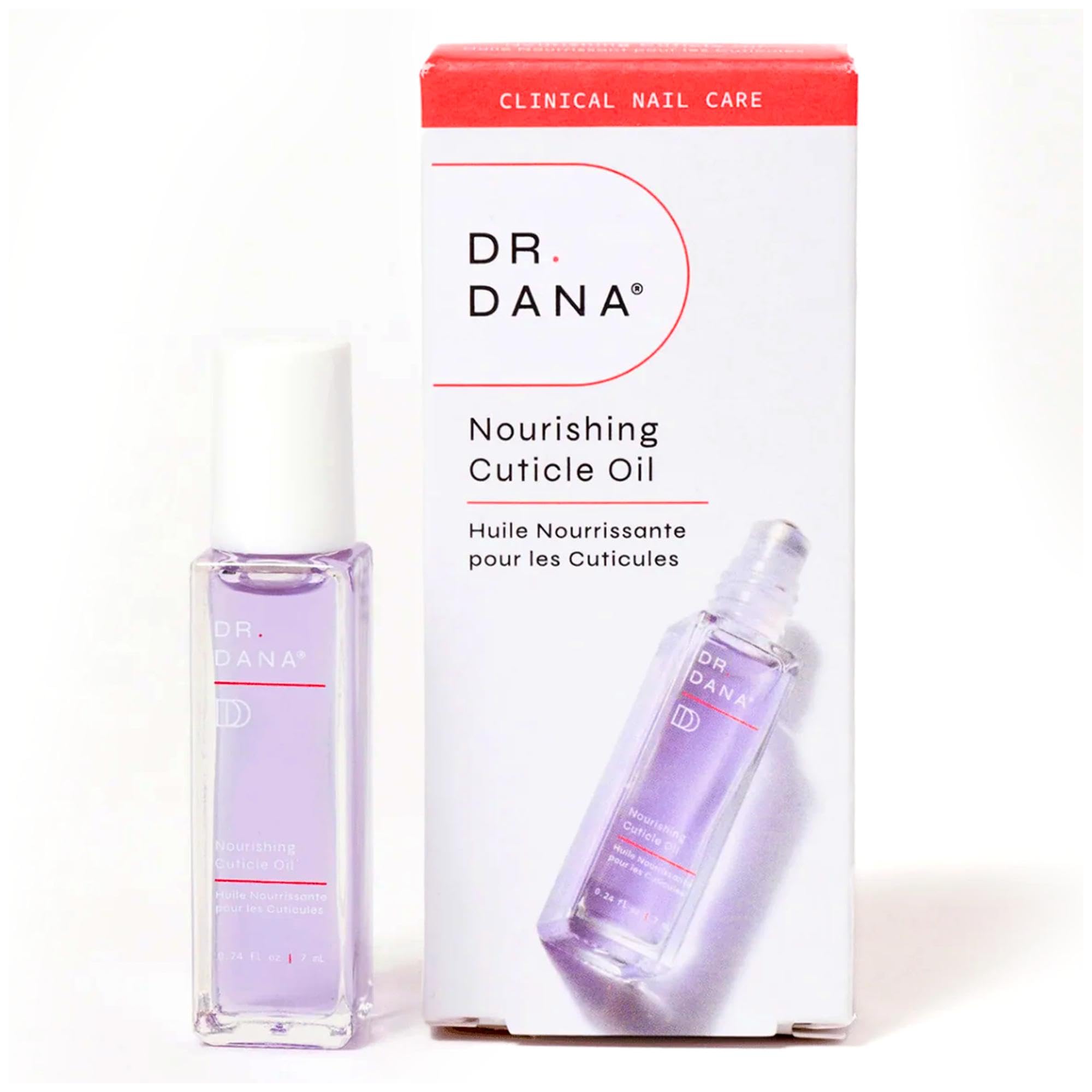
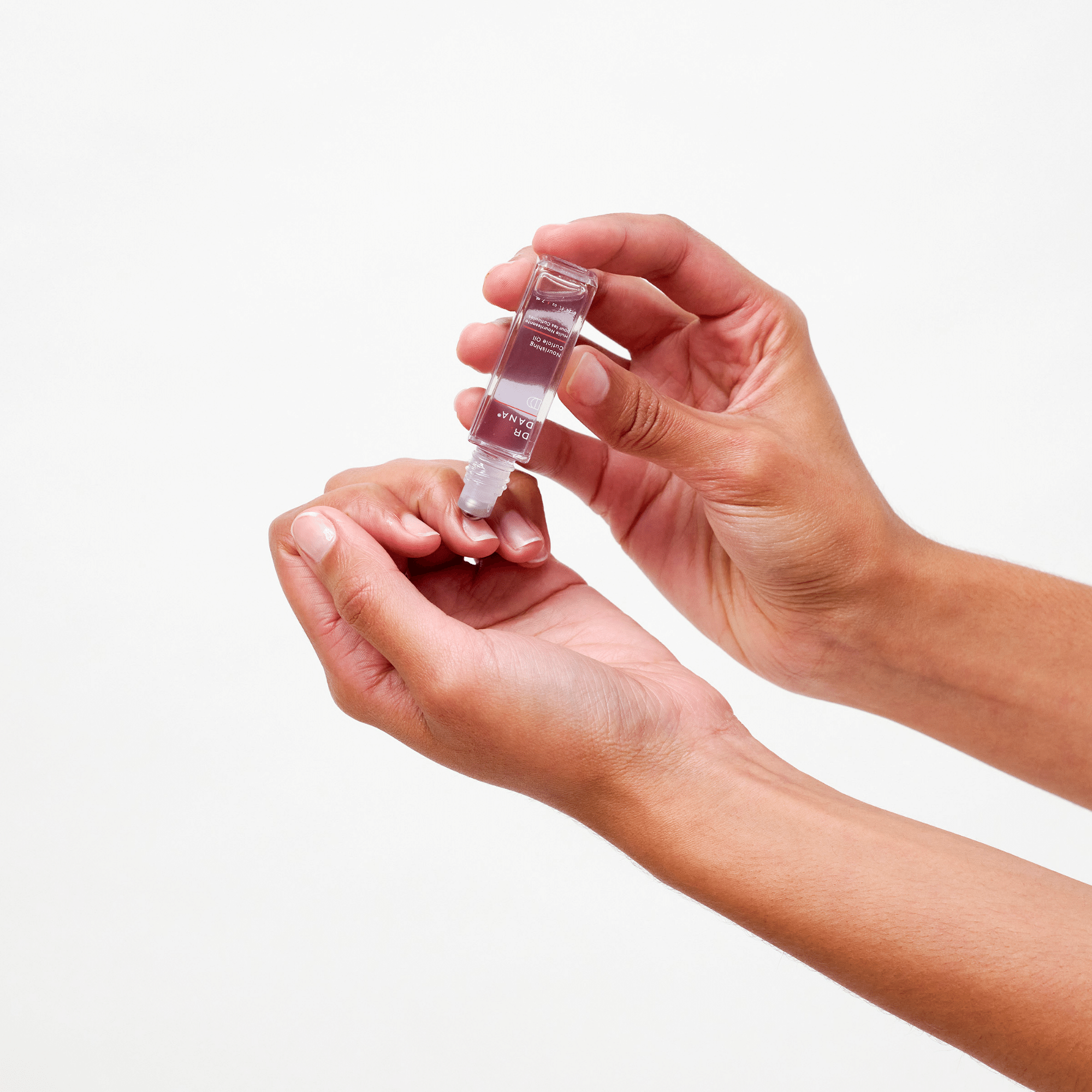
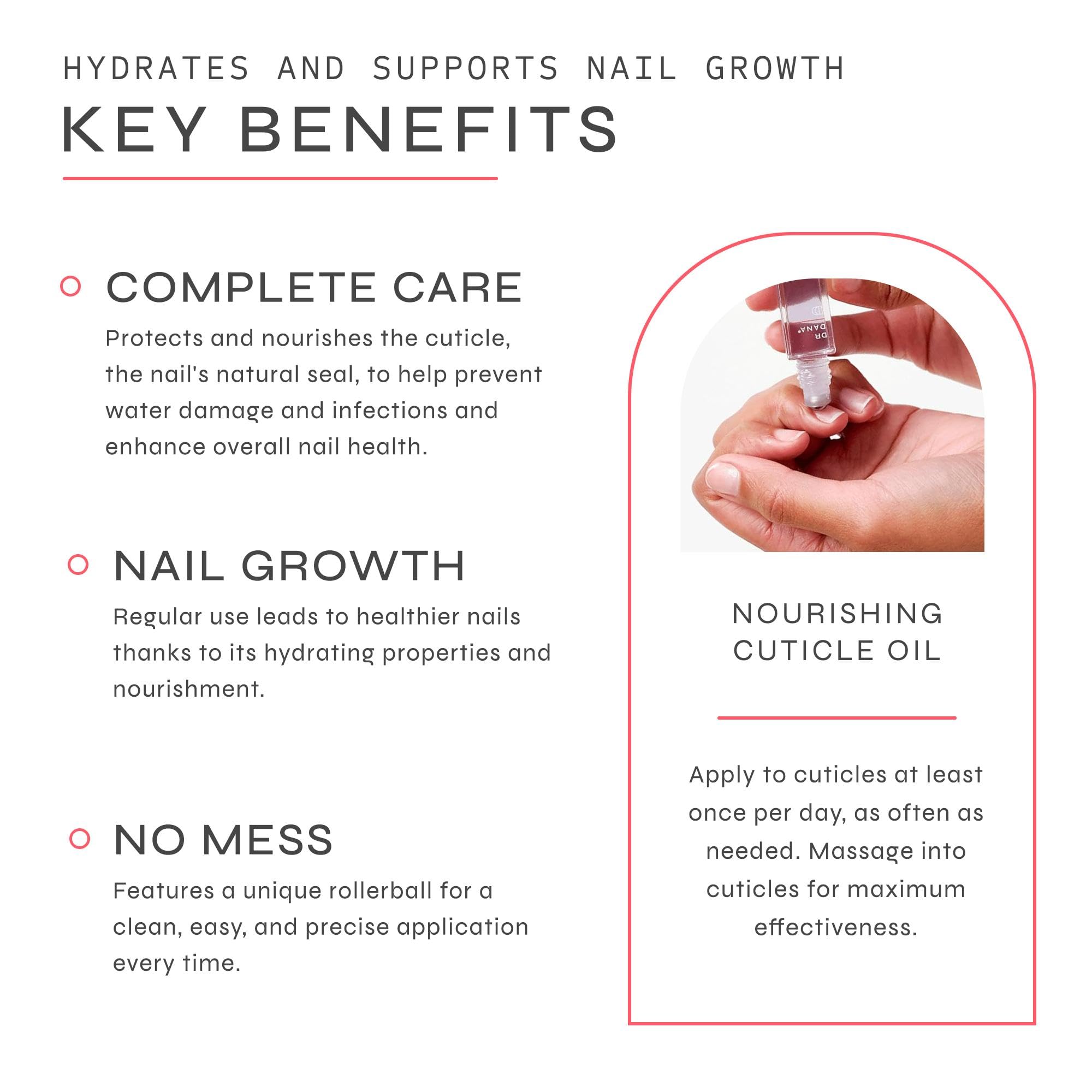
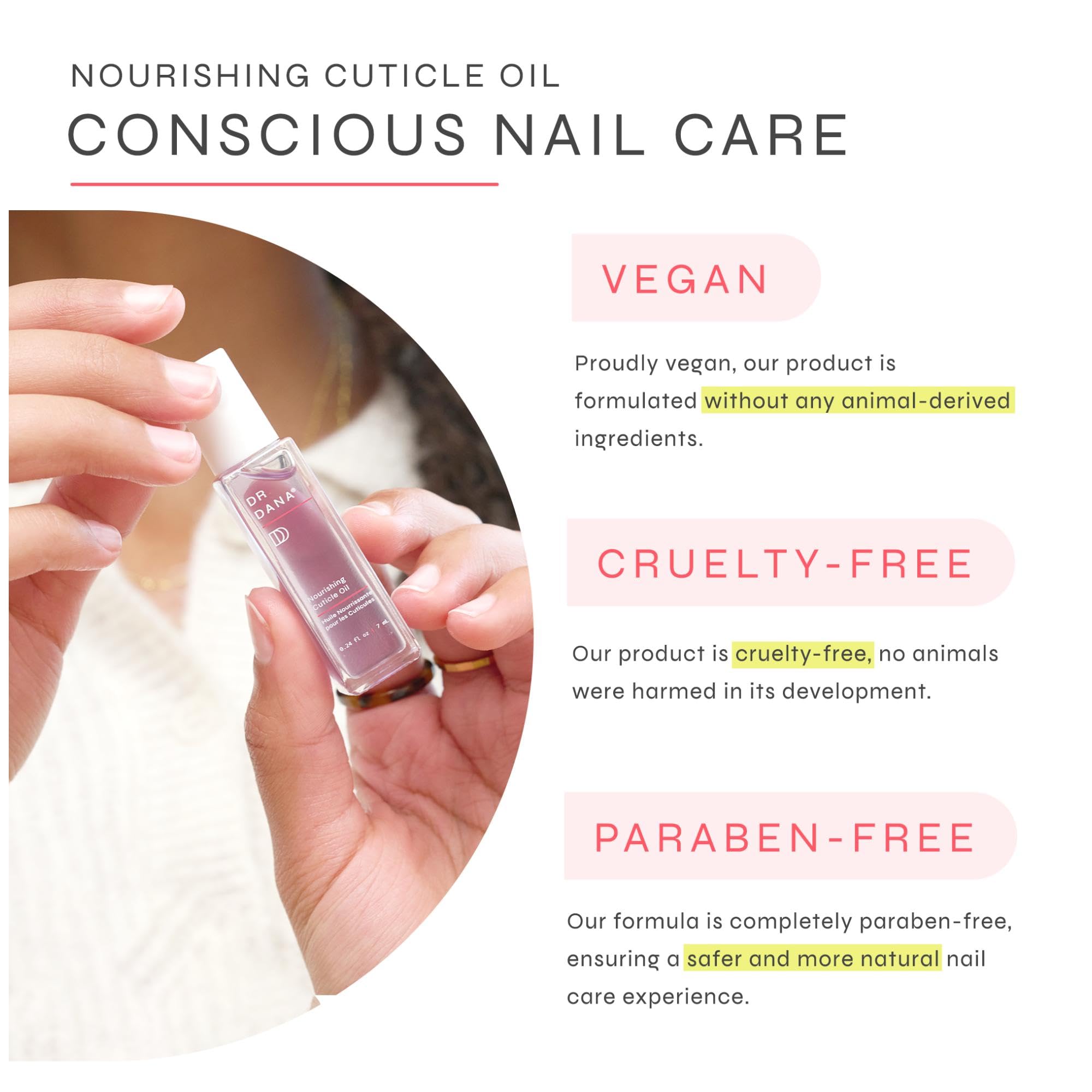
Nourishing Cuticle Oil is an option to explore for regular cosmetic care of dry, intact cuticles.
Keep everyday cuticle care separate from the treatment of a suspected infection. A cosmetic cuticle oil is not a substitute for medical evaluation or treatment when a nail is red, swollen, painful, or draining.
Nail Infections: Frequently Asked Questions
Can I Wear Nail Polish if I Have a Nail Infection?
If you suspect a nail infection, it is best to hold off on applying new polish or enhancements until the nail has been evaluated.
Covering an unexplained change can make it harder to monitor the appearance of the nail. A dermatologist can advise you on when it is appropriate to return to manicures.
Does a Green Nail Always Mean Fungus?
No. Greenish discoloration can be associated with bacteria, particularly Pseudomonas, although it is not possible to identify the cause reliably based on color alone. A professional evaluation can help distinguish bacterial involvement from other nail conditions.
Can a Nail Infection Go Away on Its Own?
That depends on the type and severity of the problem. Some mild conditions may improve with appropriate care, while others need medication or a procedure.
Do not assume that persistent swelling, pus, or worsening pain will resolve without treatment.
Can Cuticle Oil Treat a Nail Infection?
No. Cuticle oil is a cosmetic nail-care product, not a treatment for bacterial or fungal nail infections.
If you suspect an infection, focus on getting the correct diagnosis before returning to your regular nail-care products.
The Bottom Line
Your nails can tell you when something needs attention. Sometimes the issue is simple dryness or the aftermath of a manicure. Other times, redness, swelling, pain, unusual discoloration, or nail lifting may be signs of an underlying medical concern.
Understanding the warning signs is the first step. Protect the cuticle, choose salons with good hygiene practices, avoid unnecessary nail trauma, and do not ignore symptoms that are persistent or getting worse.
Healthy nail care is not just about how your manicure looks. It is also about knowing when to give your nails a break and when to ask a professional for help.
Care for Your Cuticles, Gently
When your nails and surrounding skin are healthy, make gentle cuticle care part of your everyday routine.
Explore Nourishing Cuticle Oil for regular cuticle care. If you are dealing with a possible infection, prioritize medical guidance first.