
If your nails feel weaker, drier, or more prone to peeling once the temperature drops, you are not imagining it. Winter nail concerns are incredibly common. Just like your skin, your nails and cuticles are deeply affected by cold air, indoor heating, and low humidity. The good news is that winter nail damage is usually preventable with the right care routine.
With thoughtful winter nail care, it is possible to keep nails strong, hydrated, and comfortable even during the driest months.
Why winter weather is especially harsh on nails
Winter creates a perfect storm for nail dehydration. Cold outdoor temperatures combined with dry indoor heat pull moisture out of the nail plate and surrounding skin. Unlike skin, nails do not produce oil, so once that moisture is gone, it is hard for nails to recover without support.
This seasonal shift often leads to:
- Dry winter nails that feel rough or chalky
- Brittle nails in winter that bend, split, or break easily
- Peeling nails caused by weakened layers within the nail plate
- Premature polish chipping because dehydrated nails cannot hold polish well
- Dry, lifting cuticles that increase the risk of hangnails and irritation
Winter nail damage is not a personal failure or a sign of poor hygiene. It is a biological response to environmental stress.
Understanding nail structure and why exfoliation matters
Nails are made of layers of compacted dead nail cells called keratin. When nails are healthy, these layers lie flat and hold moisture well. In winter, dehydration may cause those layers to lift and separate, which is why nails can peel and feel fragile.
Think of peeling nails the same way you think about flaky skin. When dead, damaged layers build up, hydration products cannot penetrate effectively. Gentle exfoliation helps remove that superficial damage so moisture can reach healthier nail layers underneath.
This is why exfoliation is not just for skin. It plays an important role in winter nail care as well.
Why exfoliation and hydration matter more in winter
During colder months, nails lose water faster than they can replace it. Without intervention, dehydrated nails become increasingly porous and vulnerable to breakage.
A dermatologist-guided approach focuses on two key steps:
Gentle exfoliation
Using a carefully formulated exfoliant helps remove damaged surface layers without thinning the nail. Glycolic acid is often used in dermatology because of its small molecular size, allowing it to gently smooth and refine without harsh abrasion. When used appropriately on nails, it supports healthier layering and improved hydration.
Rebuilding hydration
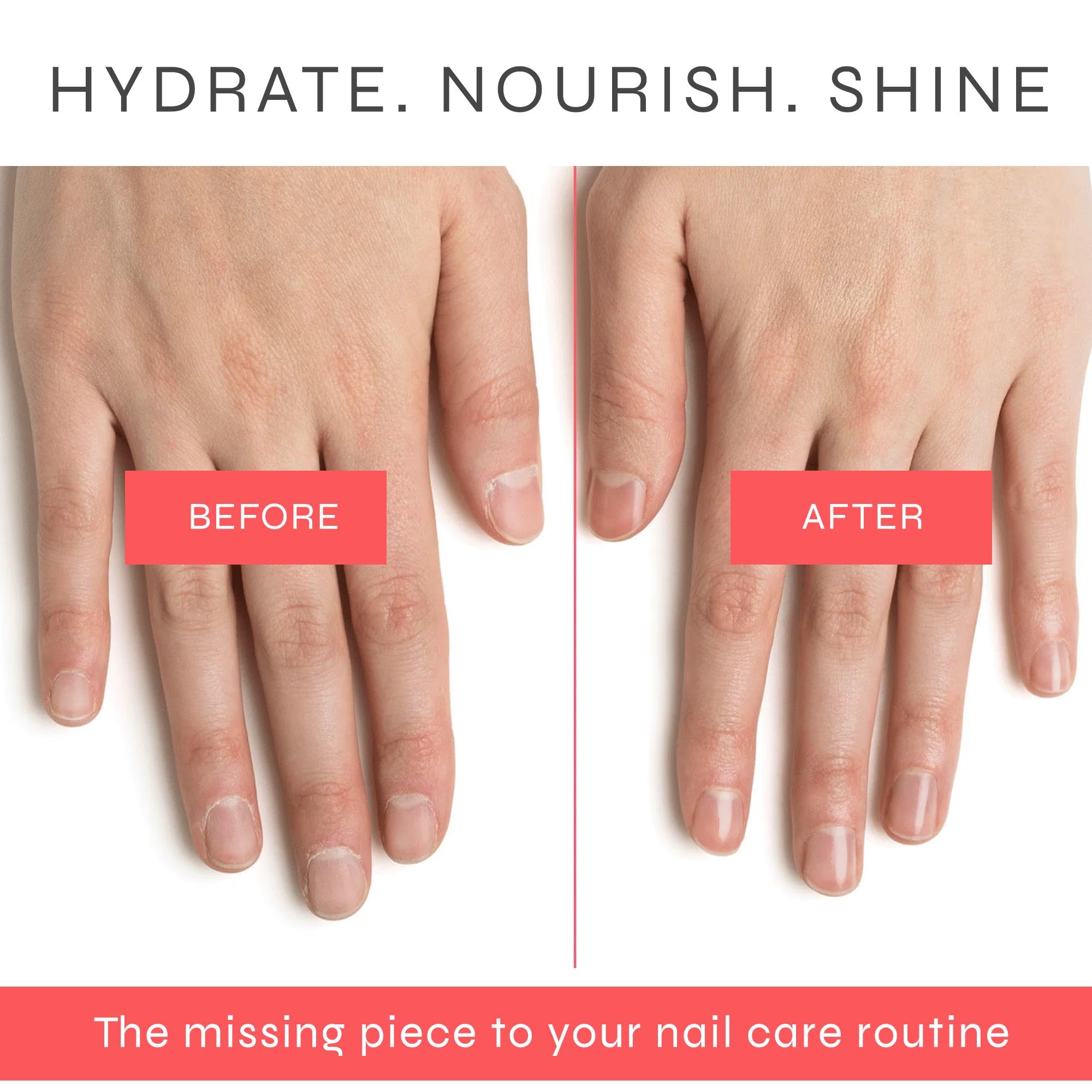
Once the surface damage is addressed, hydrating ingredients can more effectively strengthen the nail plate. This helps reduce peeling nails, improve flexibility, and support a smoother nail surface that holds polish better.
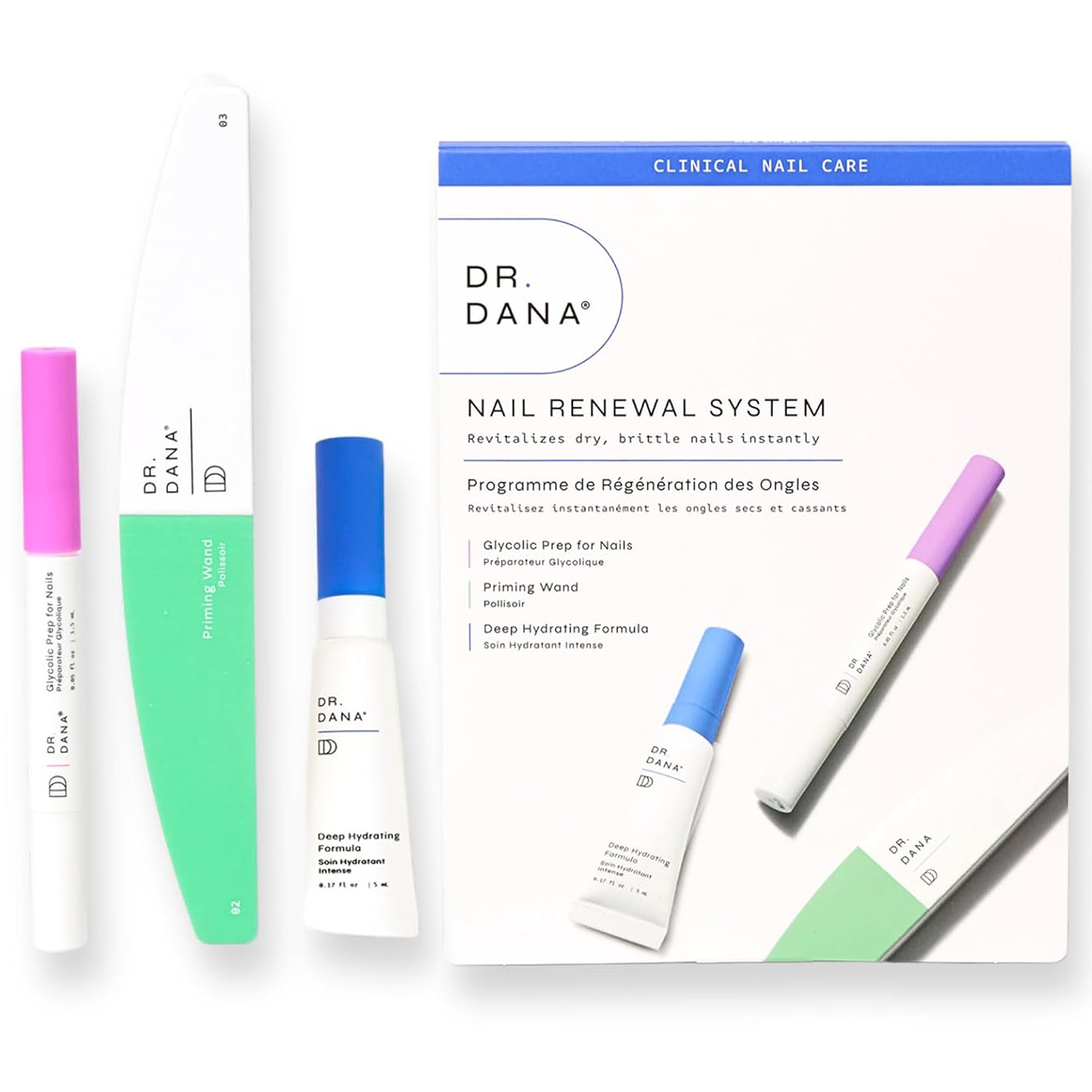
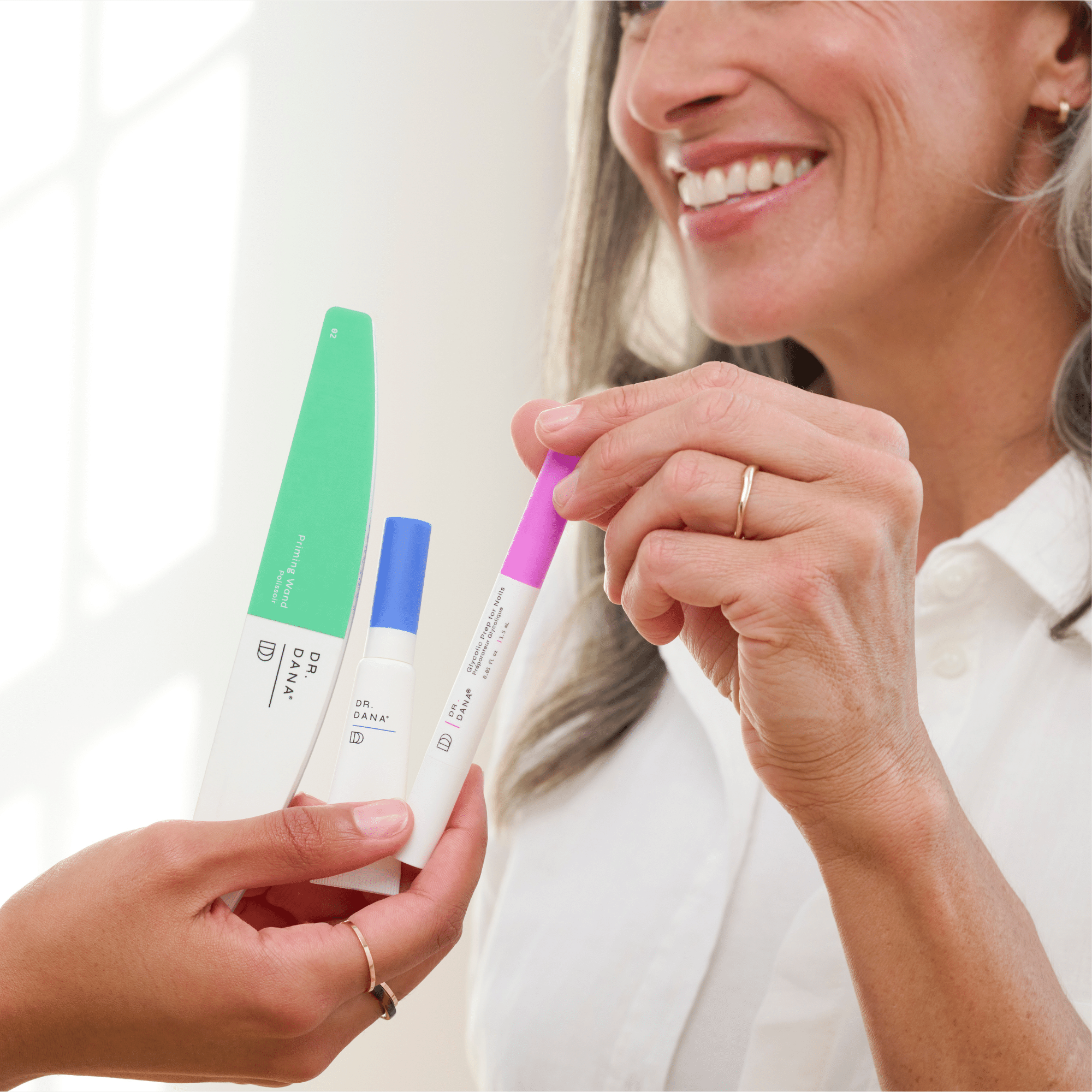
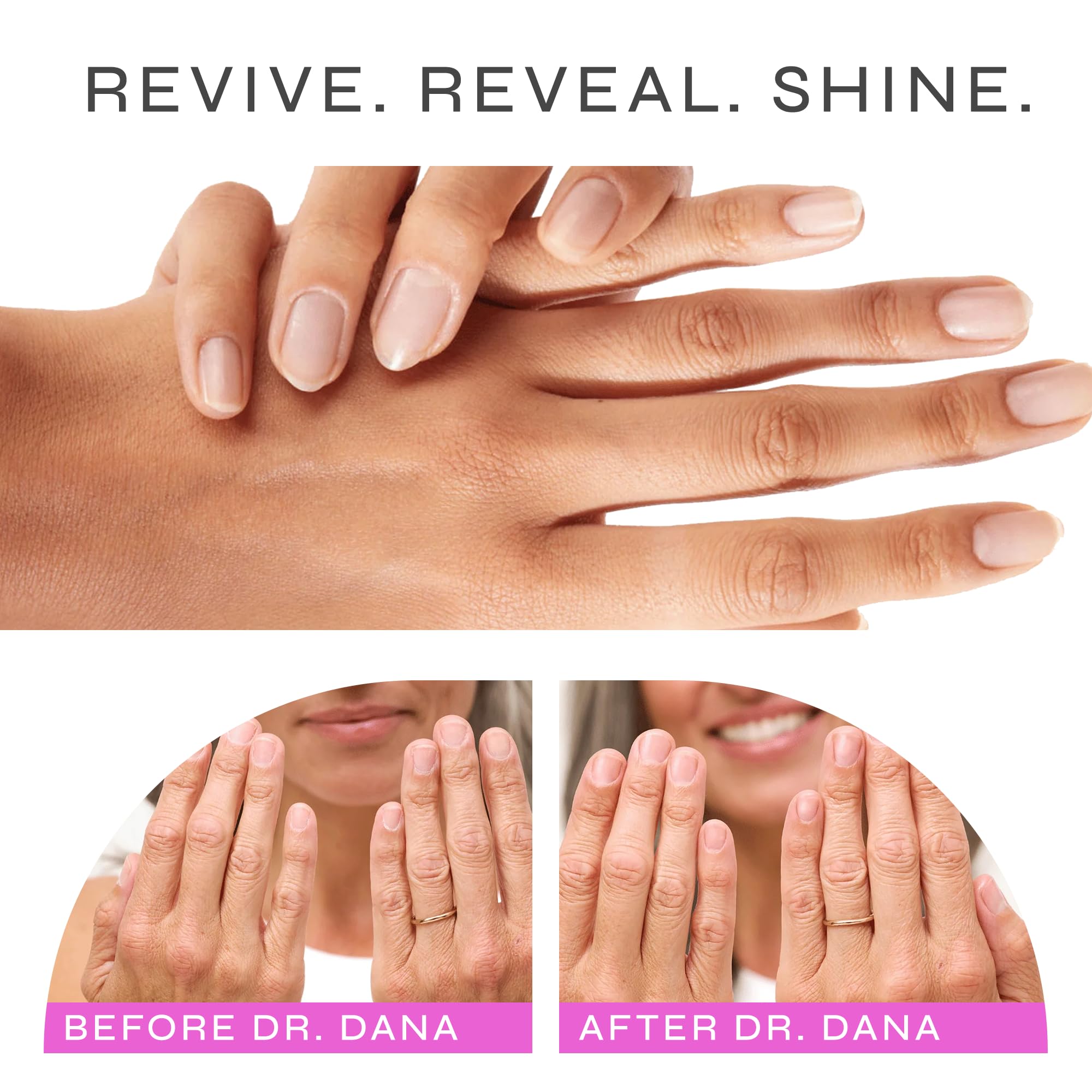
The Dr. Dana Nails Nail Renewal System was designed with this exact science in mind. As a once weekly routine, it combines exfoliation and hydration in a way that mirrors how dermatologists treat compromised skin, but adapted for nails.
How to protect nails weekly and daily during winter
Winter nail care does not need to be complicated to be effective. Consistency matters more than intensity
Weekly care
A simple weekly ritual can make a noticeable difference during colder months.
- Gently exfoliate to remove superficial nail damage
- Rehydrate and fortify the nail plate
- Allow nails to recover even if you plan to wear polish
This approach helps address dehydrated nails at the source rather than just covering the problem.
Daily care
Daily habits reinforce the work done during weekly treatments.
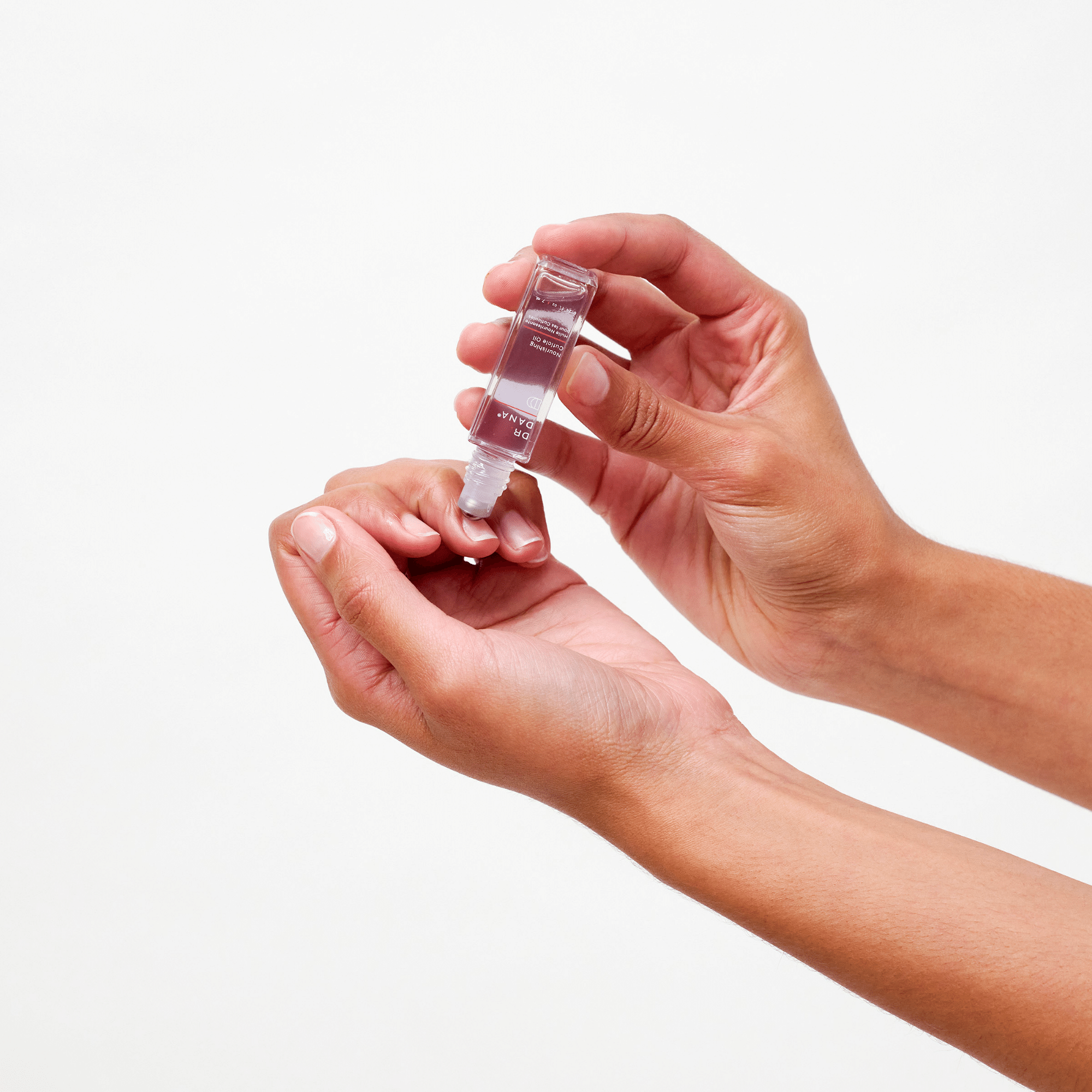
- Apply cuticle oil regularly, especially after handwashing
- Massage oil into the nail folds to support circulation and barrier health
- Protect hands when possible during cold exposure
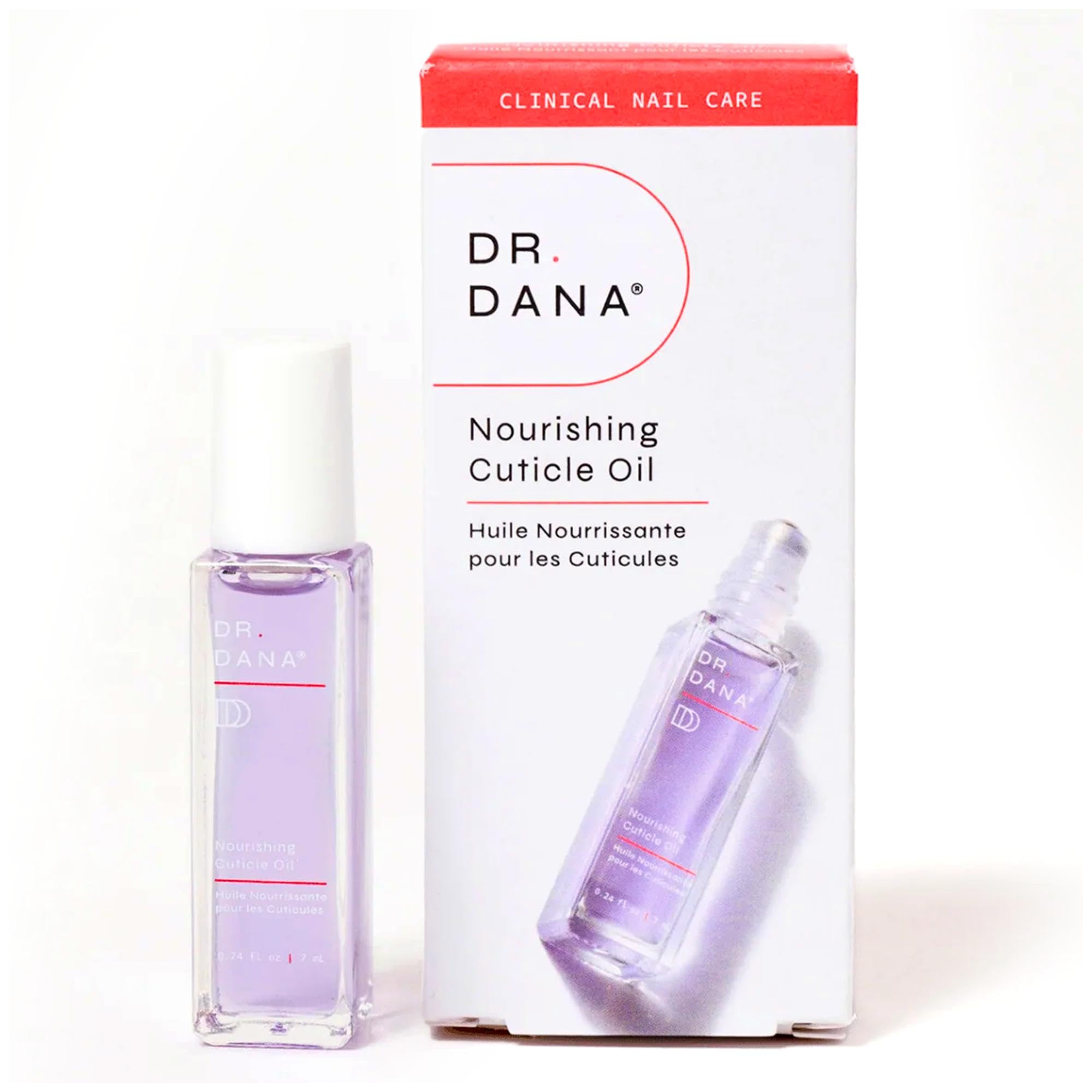
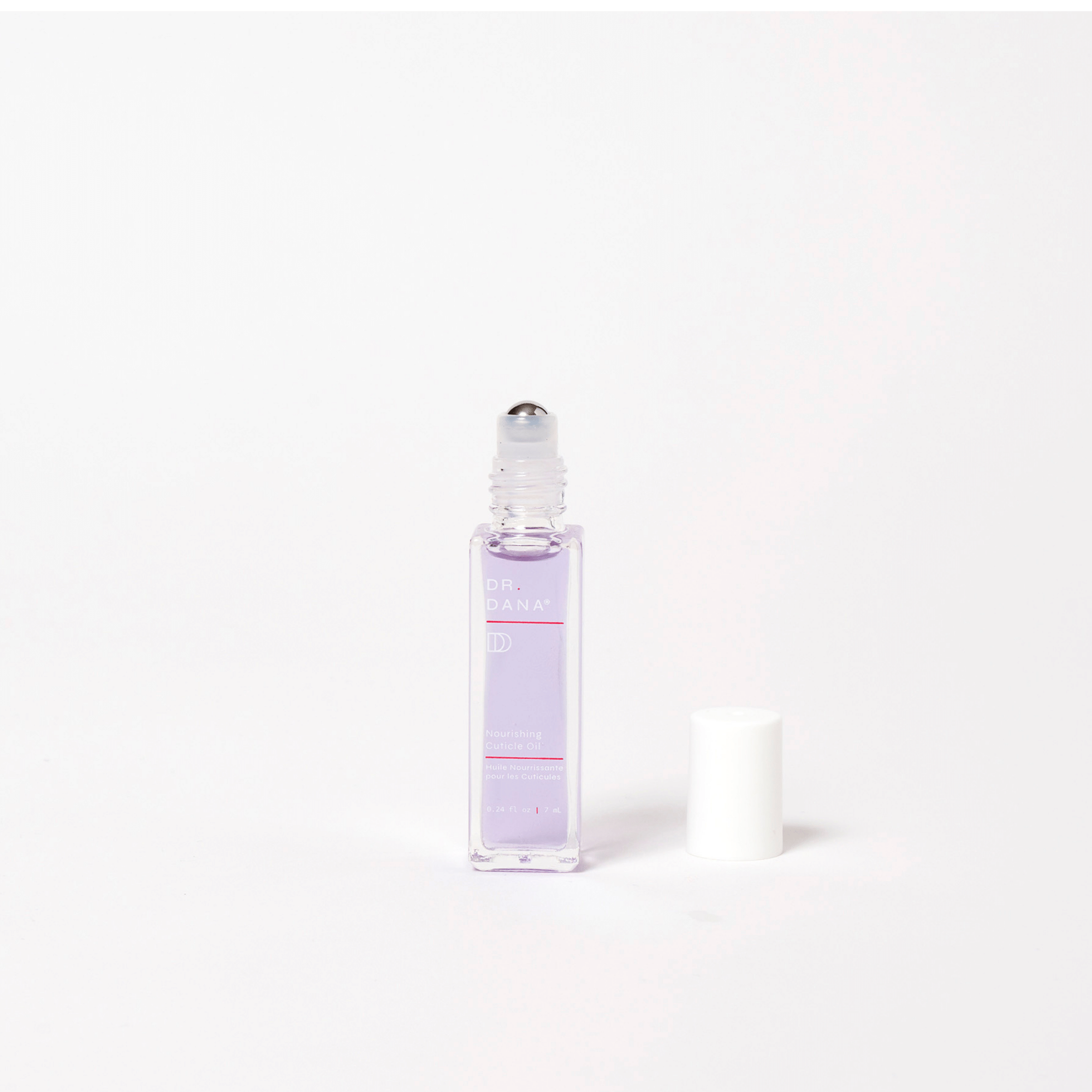
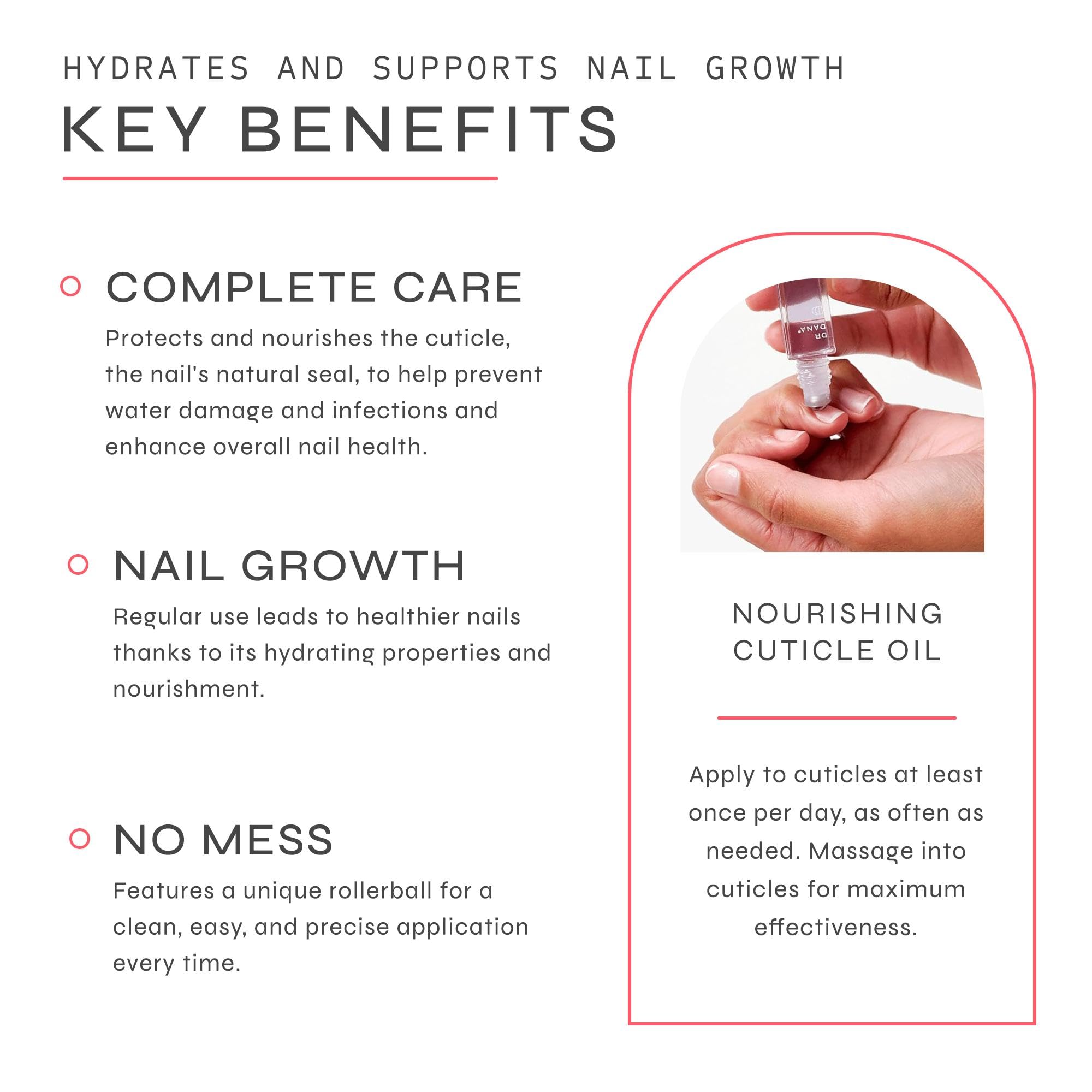
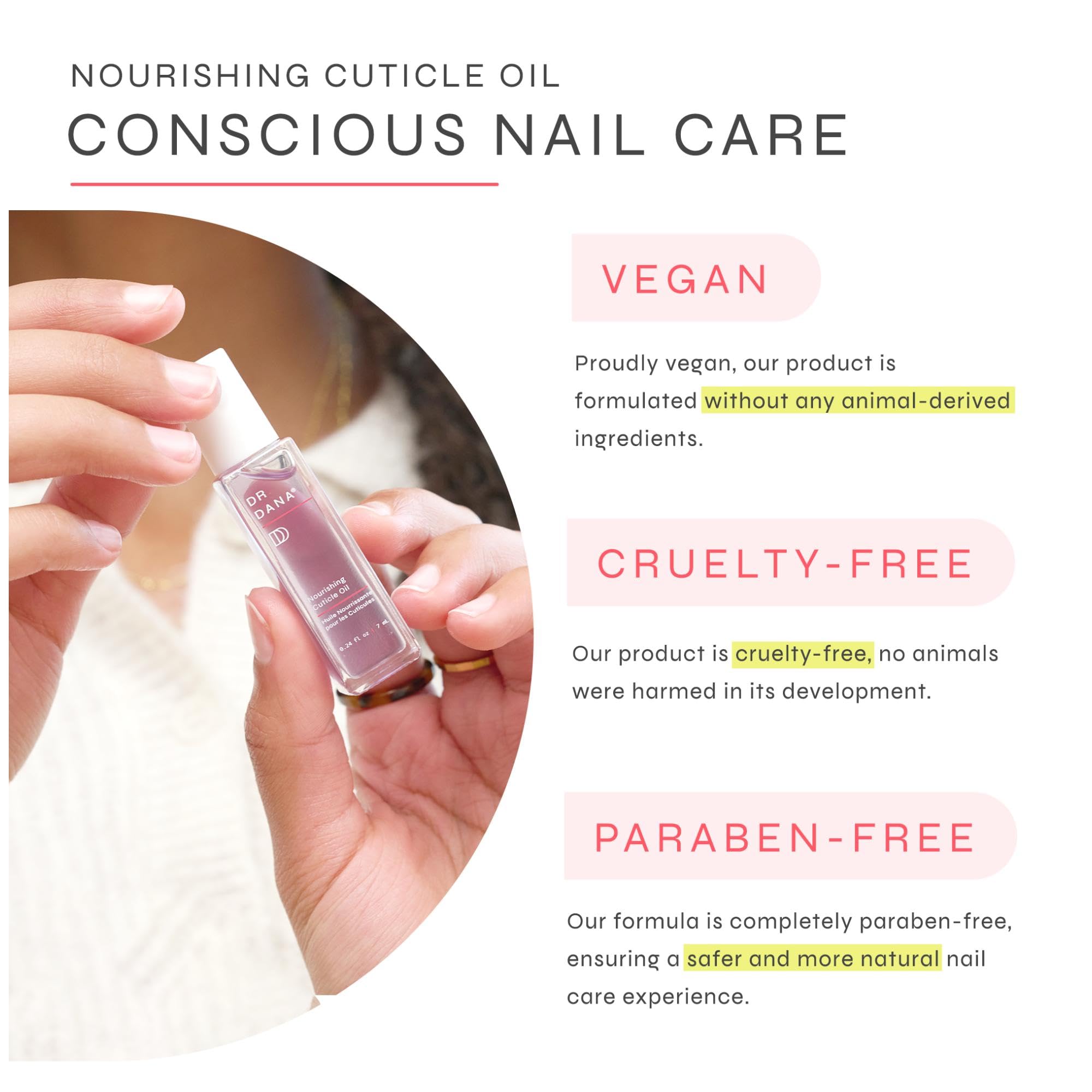
The Dr. Dana Nourishing Cuticle Oil is well suited for daily or on the go use because it supports both hydration and barrier repair without feeling heavy or greasy.
Cuticle care matters even when wearing polish
Many people skip cuticle care once polish is applied, but winter cuticle care is essential year round. The cuticle acts as a protective seal between the nail plate and the surrounding skin. When it becomes dry and lifted, it creates tiny openings that increase the risk of hangnails, redness, and irritation.
Dehydrated cuticles are also more likely to crack during winter, especially with frequent handwashing and sanitizer use.
Healthy cuticles create a healthier environment for nail growth and reduce discomfort throughout the season. Cuticle care is not about pushing or cutting. It is about nourishing and protecting.
A reassuring reminder for winter nails
If your nails struggle every winter, you are not alone. Seasonal nail changes are extremely common and rarely permanent. With thoughtful winter nail care that focuses on exfoliation, hydration, and cuticle health, nails can stay resilient, comfortable, and strong through even the coldest months.
A simple, dermatologist guided routine can help your nails recover, even if you love wearing polish. Winter may be tough on nails, but with the right care, your nails do not have to suffer.