
You leave the salon with a fresh manicure, and then something feels off. Maybe the skin around your nails starts itching. Your fingertips feel sore. There is redness, swelling, burning, or tenderness that was not there before.
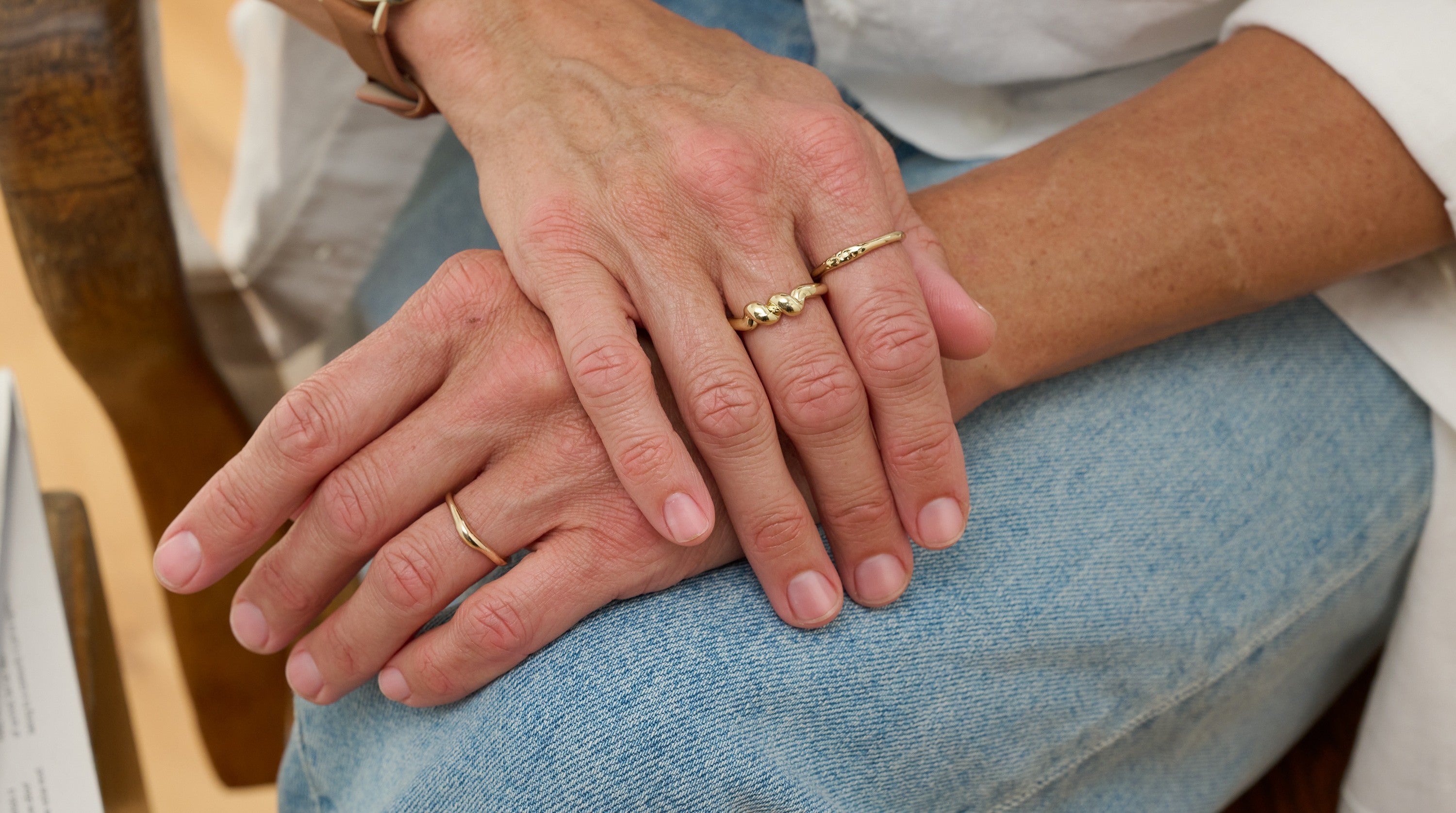
What usually itches is the skin around the nail rather than the nail plate itself. And while an allergy to ingredients used in some nail services is one possibility, it is not the only explanation. Irritation from chemicals, aggressive filing or cuticle work, and other manicure-related trauma can cause uncomfortable symptoms too.
One important possibility is allergic contact dermatitis, including sensitivity to certain acrylates or methacrylates used in some gel and artificial-nail systems. An allergy can develop even after you have used a product before without a problem.
Why Can Nails and Fingers Itch After a Manicure?
A manicure puts your nails and the surrounding skin in contact with several things at once: polish systems, primers, adhesives, removers, solvents, files, buffers, lamps, and manicure tools. That makes it easy to assume any reaction has one obvious cause when several different processes can produce similar symptoms.
The timing matters, but it does not always give you the whole answer. Some irritation is noticeable quickly. Allergic contact dermatitis can appear after exposure rather than necessarily during the manicure itself. Mechanical soreness from filing, scraping, or cuticle work may also become more obvious once you leave the salon.

Acrylate Allergy vs. Irritation vs. Manicure Trauma
“My nails hurt after a manicure” can describe several different experiences. Looking at the pattern can help you explain the problem more clearly to a dermatologist, but symptoms alone cannot confirm the diagnosis.
| Possible cause | What you may notice | Useful context |
|---|---|---|
| Allergic contact dermatitis | Itching, redness, swelling, rash, burning, or irritated skin around the nails | May happen after repeated prior exposures without a problem; identifying the exact allergen may require professional evaluation and patch testing |
| Irritant contact dermatitis | Burning, stinging, dryness, cracking, redness, or soreness | Can follow exposure to irritating chemicals, solvents, removers, or repeated contact with products |
| Mechanical manicure trauma | Tenderness, sensitivity, thin-feeling nails, soreness around the cuticle, or discomfort when pressure is applied | Can happen after aggressive filing, buffing, scraping, cuticle work, or difficult product removal |
| A problem that needs medical evaluation | Increasing pain, significant swelling, drainage, spreading redness, nail separation, or persistent changes | Do not assume every post-manicure problem is simply an allergy or cosmetic irritation |
What Exactly Is an Acrylate Allergy?

Acrylates and related methacrylates are a broad family of chemicals used in a range of materials, including some artificial-nail and gel systems. Certain unreacted ingredients in these systems can act as contact allergens in susceptible people.
That does not mean everyone who uses gel, acrylic, dip, or nail adhesive will develop an allergy. It also does not mean that every uncomfortable reaction after those services is an acrylate allergy.
Once allergic contact dermatitis develops, repeat exposure to the relevant allergen can trigger another reaction. That is why identifying the specific ingredient matters. Simply changing brands or switching from one manicure category to another may not solve the problem if the new system contains a related ingredient.
Can you suddenly become allergic to nail products?
Yes. Contact allergies are different from immediate irritation. Sensitization can develop after previous exposures, so a product you have used many times without obvious trouble can still become relevant later.
Is every gel manicure reaction an acrylate allergy?
No. Skin irritation, manicure trauma, removal damage, and other nail or skin conditions can produce overlapping symptoms. That is why persistent or recurring reactions deserve a medical evaluation rather than repeated trial-and-error manicures.
What to Do If Your Fingers Itch or Hurt After a Manicure
1. Stop the suspected exposure
If a manicure product appears to be causing a reaction, avoid adding more of it or repeating the service to “test” what happens.
2. Do not aggressively pick or scrape
When nails already feel sore or irritated, forceful removal, peeling, filing, or cuticle manipulation can add another source of damage.
3. Save the product details
If possible, note the brand, service type, adhesive, base coat, gel, dip system, primer, remover, or other products used. Ingredient information may be useful during an evaluation.
4. Get recurring reactions evaluated
A board-certified dermatologist can examine the nail unit and surrounding skin and determine whether additional testing, including patch testing when appropriate, may help identify a contact allergy.
If your symptoms have resolved and you are returning to a regular cosmetic nail-care routine, check ingredient lists carefully if you have been told to avoid a particular allergen.
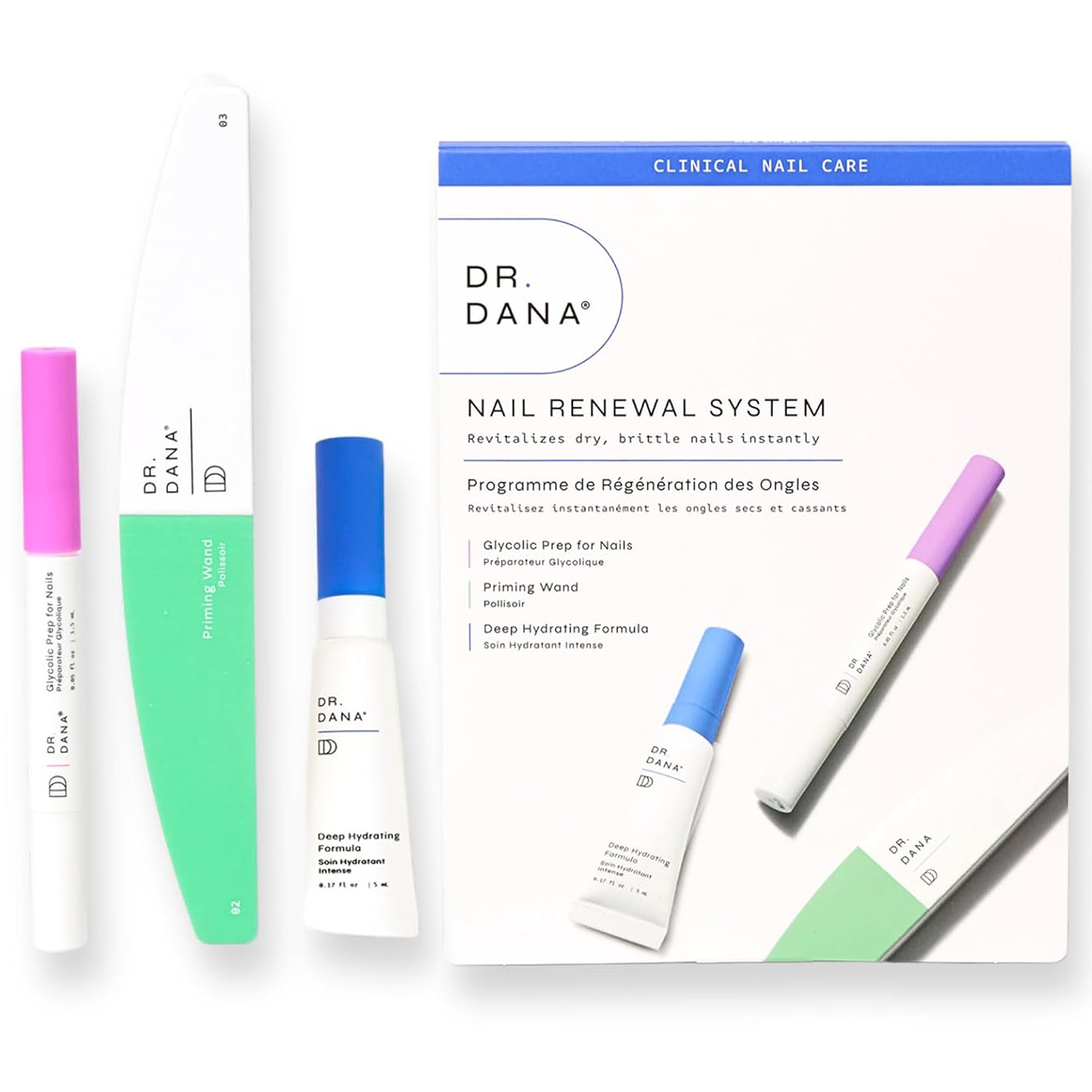
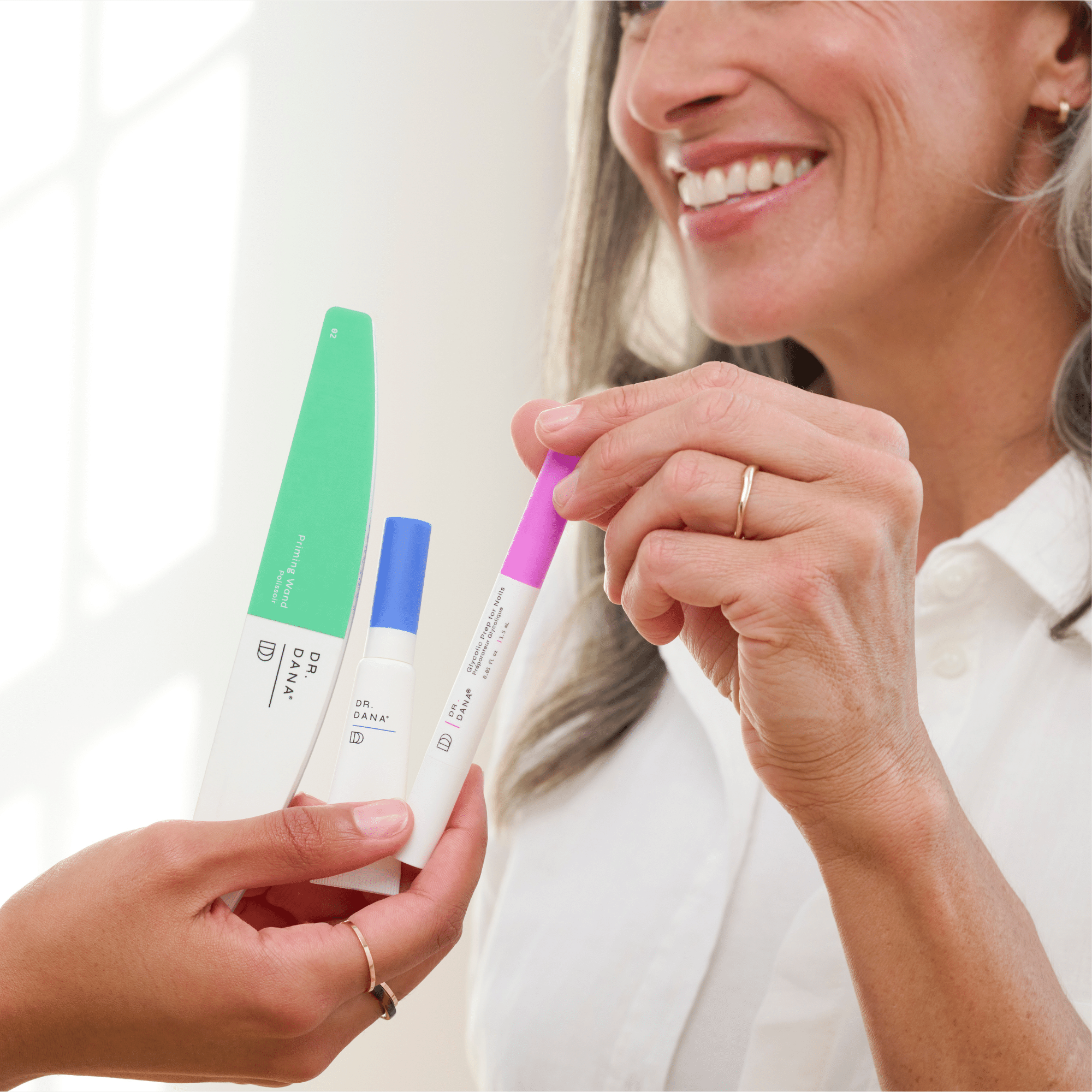
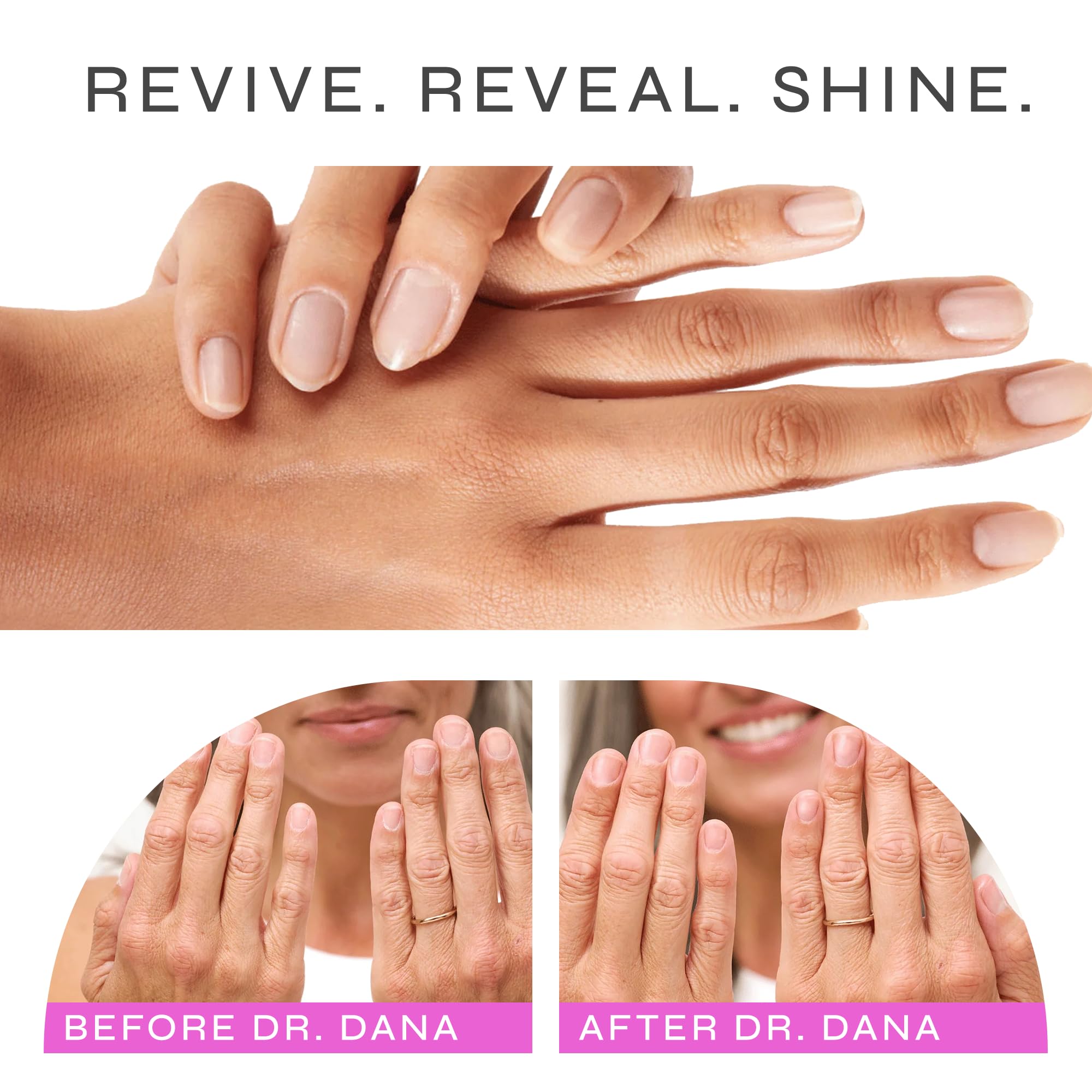
If you are considering Nail Renewal System, review its current ingredient information before use—especially if a dermatologist has identified an ingredient or ingredient family you need to avoid. Cosmetic nail care is not a treatment for allergic contact dermatitis.
Should You Remove the Manicure Right Away?
If you believe a nail product is triggering a reaction, continuing exposure is not a good way to figure it out. At the same time, how a manicure is removed matters.
Peeling, prying, scraping, or aggressively filing product off can injure the nail plate and surrounding skin. If removal is necessary and the area is already painful, significantly swollen, blistered, or otherwise concerning, professional medical guidance may be more appropriate than experimenting with additional products at home.
When speaking with a salon, tell them about the reaction rather than simply booking the same service again. If you later receive a confirmed contact-allergy diagnosis, communicate the specific allergens you were told to avoid.
When to See a Dermatologist
A one-time moment of mild tenderness immediately after heavy filing is different from a recurring itchy rash every time you get your nails done. The more persistent, painful, recurrent, or widespread the reaction is, the more important it becomes to find out what is actually happening.
How to Make Future Manicures Easier to Troubleshoot
If you have experienced a reaction before, keeping a simple record can make future conversations with a dermatologist much more productive.
- Write down the type of manicure you received.
- Save the names or photos of the products used when possible.
- Note when symptoms began after the appointment.
- Photograph visible redness, swelling, rash, or nail changes.
- Record whether similar symptoms happened after previous services.
- If you receive patch-test results, keep the allergen names accessible when choosing future products.
Most importantly, do not assume that switching salons, brands, or manicure styles automatically removes the ingredient responsible. If you have a confirmed allergy, the ingredient list matters more than the marketing name on the service.
Nail Allergy FAQs
Why are my fingers itchy after gel nails?
One possibility is allergic contact dermatitis to an ingredient used during the service, including certain acrylates or methacrylates. Irritant dermatitis and other causes can look similar, so a recurring reaction should be evaluated rather than diagnosed from symptoms alone.
Why do my nails hurt after a dip manicure?
Pain after a dip manicure can have more than one explanation, including irritation or trauma from filing, cuticle work, product removal, or another nail problem. If pain is significant, persistent, worsening, or accompanied by swelling, redness, drainage, or nail separation, seek medical evaluation.
Can a nail allergy happen even if I have used the product before?
Yes. Allergic contact dermatitis can develop after repeated previous exposures. Past tolerance does not guarantee that you cannot later become sensitized to an ingredient.
Should I try a different gel brand if I think I am allergic?
Not before you know what ingredient is causing the reaction. Different brands can share related ingredients. If reactions keep happening, professional evaluation and appropriate allergy testing can help you make a more informed decision.
Will nail-care products fix an acrylate allergy?
No cosmetic nail-care product should be used as a treatment for allergic contact dermatitis. The priority is identifying and avoiding the responsible allergen and getting medical care when needed.
The Bottom Line
If your nails or the skin around them itch, burn, swell, or hurt after a manicure, do not automatically write it off as sensitive nails. An allergic contact reaction is one possibility, but irritation and manicure-related trauma can produce similar symptoms.
Stop repeating the suspected exposure, avoid aggressive removal, keep track of the products used, and get recurring or significant reactions evaluated. Knowing exactly what you are reacting to is much more useful than simply avoiding one salon or one manicure label.
Ready to Return to Your Regular Nail Routine?
If your nails and surrounding skin are calm again and you are choosing cosmetic nail care, ingredient awareness still matters—especially if you have a known contact allergy.
Explore Nail Renewal System and review its current product and ingredient information before adding it to your routine.