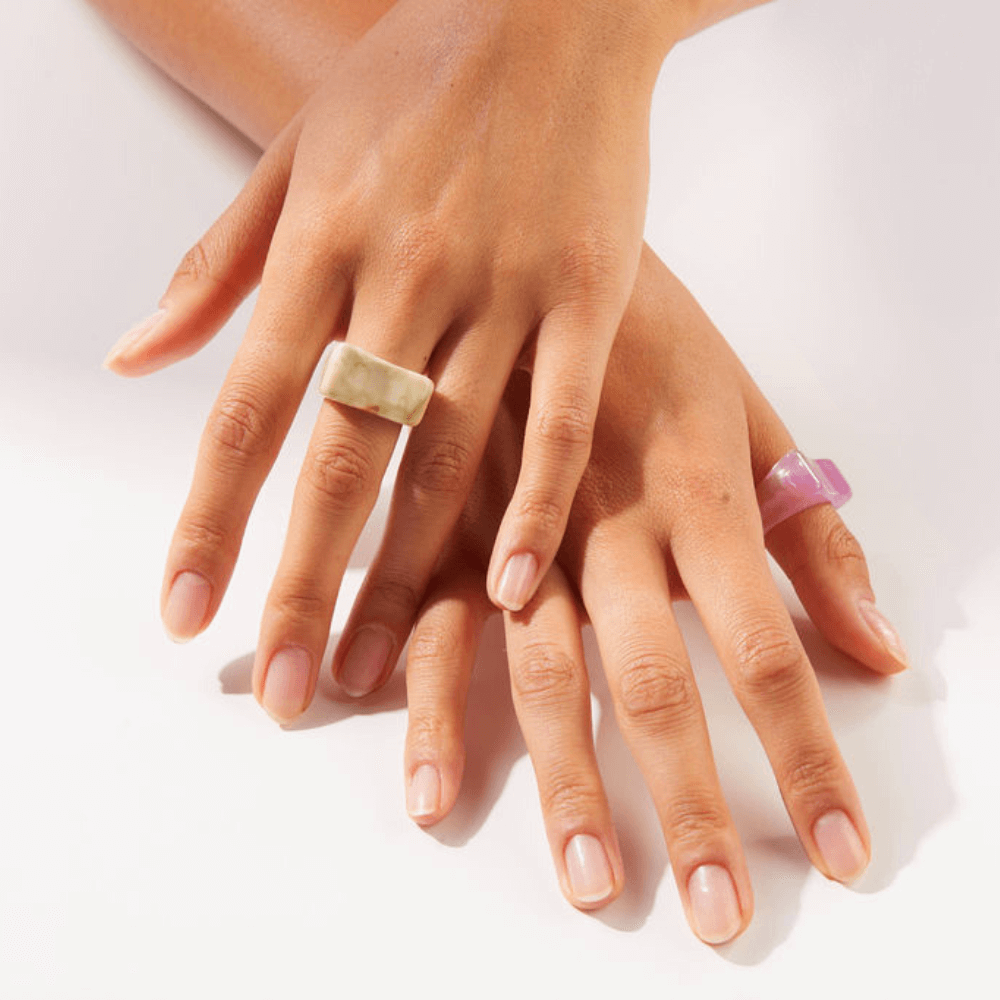

If your nails and cuticles seemed perfectly fine a few weeks ago and suddenly feel drier, rougher, or more prone to peeling, the change in season may be part of the picture.
As fall arrives, the air often becomes drier, and our daily habits shift with it. Add frequent hand washing, dishwashing, cleaning, and the move between outdoor weather and heated indoor spaces, and the skin around the nails can start to feel less comfortable. The nail plate can also become more prone to splitting or peeling when it is dry or repeatedly exposed to water.
The good news: a fall nail-care routine does not need to be complicated. Think of it as a seasonal adjustment—more consistent hydration, more protection from water and harsh exposures, and a little extra attention when your nails start telling you they need it.
Why Nails and Cuticles Can Feel Different When the Seasons Change
We often think about changing our skincare routine with the weather, but the nails and surrounding skin deserve the same attention. Dry air can make nails less flexible and more likely to split, while cold, dry conditions can make the skin around the nail feel brittle and contribute to hangnails.
Water exposure can create a different kind of stress. Nails take on water and then dry again, and too much repeated exposure can make them more likely to peel, split, or break. That is why something as ordinary as washing dishes without gloves can matter more than you might think.
Then there are the cuticles. The cuticle helps protect the area where the nail grows. When the surrounding skin becomes dry and ragged, it can be tempting to trim or pick at it, but aggressive cuticle care can create more problems than it solves. A gentler approach—hydrate, protect, and leave the cuticle itself intact—is the better seasonal strategy.

Signs Your Nail Routine May Need a Fall Adjustment
Seasonal nail and cuticle dryness can look a little different from person to person. You may notice:
- Dry, rough, or ragged cuticles
- More hangnails than usual
- Peeling or splitting at the tips of the nails
- Nails that look duller or feel less flexible
- Dry or tight-feeling skin around the nail folds
A change in weather is not the only possible cause of nail changes, so pay attention to anything that feels unusual for you. New pain, swelling, separation of the nail from the nail bed, or a significant change in nail color, shape, or texture is a reason to check in with a board-certified dermatologist.
A Simple Fall Nail-Care Reset
1. Make cuticle hydration a daily habit
If there is one step to become more consistent with as the air gets drier, make it cuticle care. Rather than waiting until the skin around your nails looks visibly rough, apply moisture regularly so the area stays soft and comfortable.
Its rollerball format makes it an easy habit to keep at your desk, by your bedside, or in your bag—because consistency matters more than waiting for your cuticles to feel extremely dry.

2. Protect your nails from repeated water exposure
More moisture is helpful when it comes from a conditioning product; repeated soaking and drying is another story. Wear gloves when washing dishes or cleaning, and dry your hands and nails well afterward. If you wash your hands frequently, follow with hand and cuticle moisture instead of leaving the skin around the nails feeling stripped.
3. Give peeling or brittle nails a more complete reset
If the season change is showing up as more than dry cuticles—think peeling, brittleness, or rough-looking nail surfaces—it may be time for a treatment step that addresses the nail itself.
The idea for fall is not to do more and more to the nail. It is to create a simple, repeatable reset and then support the nails between treatments.
4. Keep your manicure habits gentle
Dryness can make every rough edge feel more noticeable, but this is not the moment to aggressively buff, file, cut, or pick. Keep nails neatly shaped, smooth snags before they catch, and avoid cutting the cuticle itself. If you are taking off polish, be mindful of how your nails and surrounding skin feel afterward and add moisture back into your routine.
5. Adjust the routine instead of starting over
Your nail-care routine does not need a complete seasonal makeover. The better question is: what are your nails asking for right now?
If your cuticles are the main issue, focus on consistent oil. If the nail plate is also peeling or brittle, add a weekly renewal step. If your hands are in water all day, protection may be the missing piece. Small adjustments are usually easier to maintain than an entirely new routine.
Daily: Hydrate the Cuticle Area
Keep Nourishing Cuticle Oil somewhere you will actually see it and use it consistently.
Weekly: Reset the Nail Surface
If peeling, brittleness, or rough texture is showing up, build the Nail Renewal System into your weekly routine.
Do You Really Need Different Nail Care in Fall Than in Summer?
Not necessarily different products—but you may need a different level of consistency.
In warmer, more humid months, it can be easier to forget about cuticle oil because the skin around the nails may not feel as dry. In fall, those missed steps become more obvious. Seasonal nail care is less about following a rigid calendar and more about responding to changes in your environment, habits, and nails.
Think of it the same way you think about your wardrobe: you do not become a different person when the temperature drops. You simply add the layer you need.
Fall Nail Dryness: Frequently Asked Questions
Why are my nails suddenly so dry?
A change in weather can be one factor, especially when the air becomes drier. Repeated hand washing, water exposure, cleaning products, manicure habits, and polish-removal routines can also contribute. If dryness is persistent, severe, painful, or accompanied by other nail changes, talk with a board-certified dermatologist.
Can dry air make nails brittle?
Yes. Dermatologists note that dry nails split more easily, which is why moisturizing the nails and surrounding skin becomes especially important when the air is dry.
How often should I use cuticle oil in fall?
Follow the directions for the product you are using. For Dr. Dana Nourishing Cuticle Oil, the current directions recommend at least once daily or as often as needed. If your cuticles are especially dry, keeping the product somewhere visible can make regular use easier.
Should I cut dry cuticles?
Avoid cutting or aggressively pushing back the cuticle itself. The cuticle serves a protective role at the nail root. For dry skin around the nails, focus first on hydration and careful trimming of true hangnails rather than removing the cuticle.
The Bottom Line
Your nails do not know that it is fall—but they do respond to the environment and habits around them. When the air gets drier and your routine changes, your cuticles may become rougher and your nails may feel more prone to peeling or splitting.
The seasonal fix is refreshingly simple: moisturize consistently, protect your nails from excessive water exposure, keep manicure habits gentle, and add a weekly nail-care reset when your nails need more support.
Build Your Fall Nail-Care Routine
Start with the area that feels driest today: shop Nourishing Cuticle Oil for daily cuticle care, or explore the Nail Renewal System for a simple three-step weekly nail routine.